Important Pro-Family Bills from 2025 General Assembly Now In Effect
On June 27, bills that the 2025 General Assembly passed without emergency clauses went into effect, which was 90 days after the legislature adjourned on

On June 27, bills that the 2025 General Assembly passed without emergency clauses went into effect, which was 90 days after the legislature adjourned on
LEXINGTON, KY – Today, the U.S. Supreme Court released its decision in Free Speech Coalition v Paxton. In a 6-3 decision, the High Court allowed
LEXINGTON, KY – Earlier today, the U.S. Supreme Court ruled 6-3 in Mahmoud v. Taylor that public schools must give parents notice and an opportunity
“And he said, ‘Naked I came from my mother’s womb, and naked shall I return. The Lord gave, and the Lord has taken away; blessed
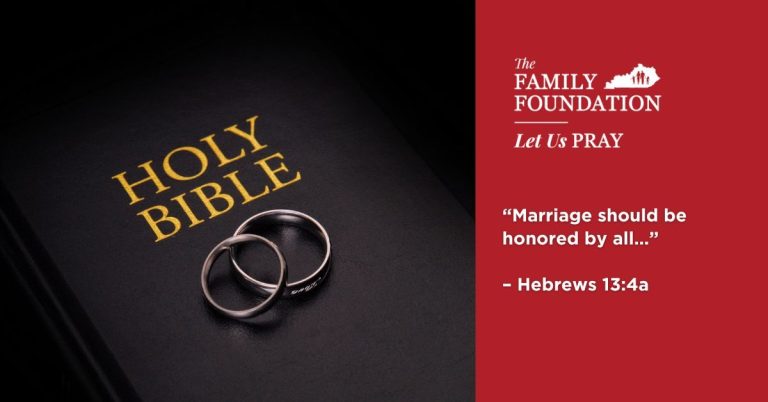
“Marriage should be honored by all…” – Hebrews 13:4a Exactly ten years ago, yesterday, the United States Supreme Court ruled to “legalize” same-sex “marriage” nationwide
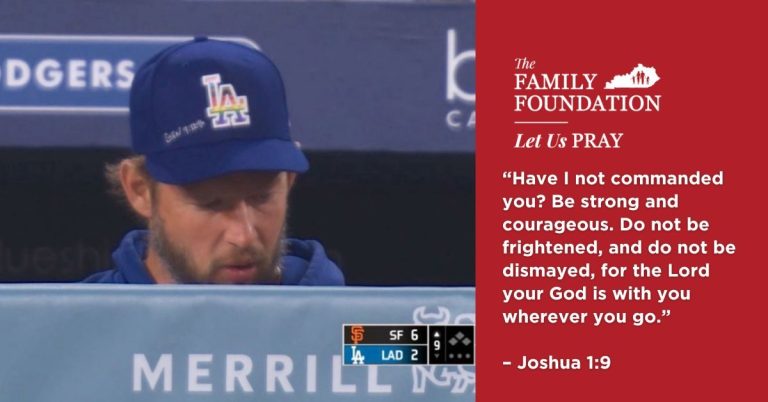
“Have I not commanded you? Be strong and courageous. Do not be frightened, and do not be dismayed, for the Lord your God is with
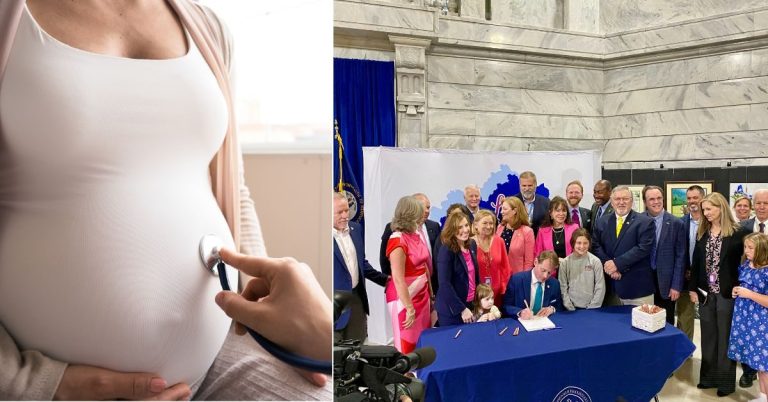
Towards the end of the legislative session, the General Assembly put together a package of policies that clarified medical procedures that are not abortions under
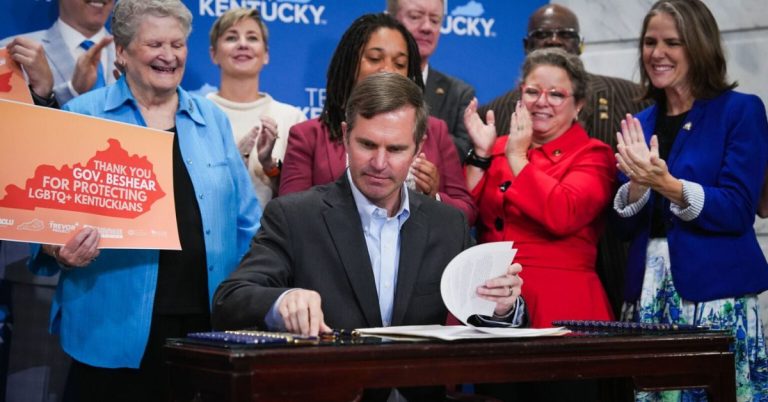
A common refrain during remarks from Governor Andy Beshear is an appeal to his faith. Beshear, who is a deacon of an extremely liberal church

On April 21, our friends at Alliance Defending Freedom announced that Dr. Allan Josephson, their client, had agreed to a settlement of $1.6 million from
