
In 2019, the Colorado General Assembly passed a bill called the “Prohibit Conversion Therapy for a Minor Act.” This law prohibited any professional in the counseling field from helping a minor align his “sexual orientation and gender identity” with what the Bible teaches on those issues. Instead, counselors could only affirm a child’s supposed LGBTQ+ identity. Several other states have passed similar laws, and Gov. Beshear attempted to criminalize Christian counseling in Kentucky with a unilateral executive order in 2024.
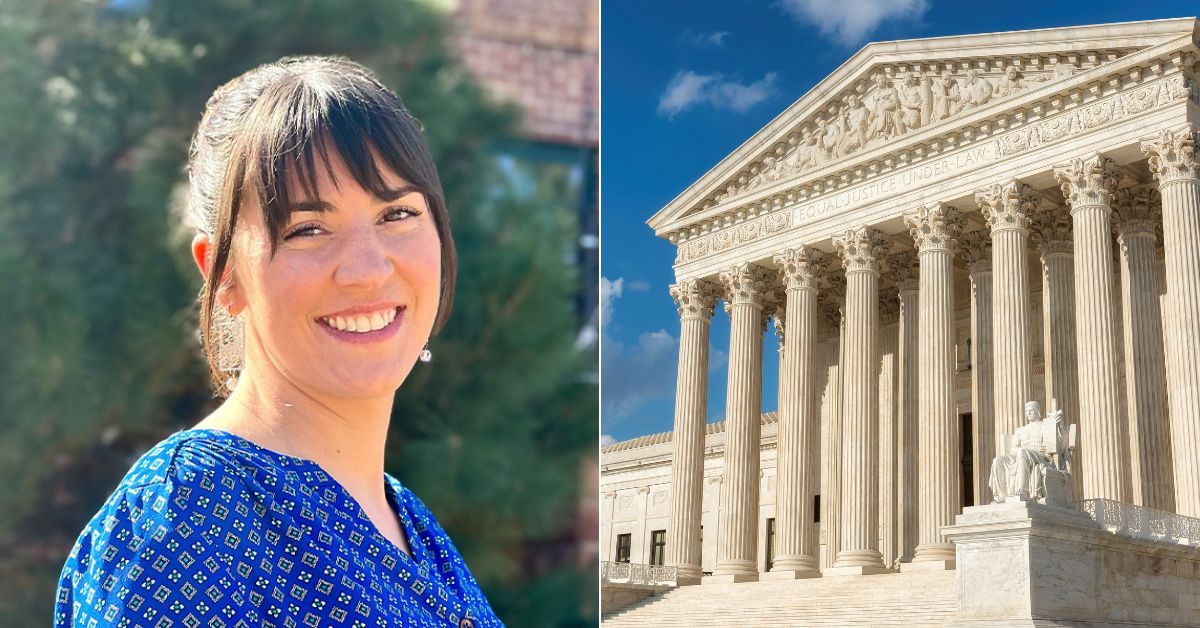
To combat Colorado’s unconstitutional law, Kaley Chiles (pictured), a licensed counselor, challenged it in court with the help of our allies at Alliance Defending Freedom. However, both the district court and the U.S. Court of Appeals for the Tenth Circuit upheld Colorado’s law, incorrectly arguing that the law regulates conduct and not speech. In response to these losses at the lower courts, Chiles appealed to the U.S. Supreme Court.
In October of 2025, the U.S. Supreme Court heard arguments in this case, Chiles v. Salazar. Then, on March 31, the Supreme Court ruled against Colorado’s attempt to criminalize Christian counseling. In an 8-1 decision, the Supreme Court ruled that so-called “conversion therapy” bans violate the First Amendment to the U.S. Constitution when applied to talk therapy.
This ruling from the Supreme Court is an important victory for our religious freedom. It ensures that Christians may practice their faith openly in the counseling world without threat of punishment from the government. Before this ruling, Christian counselors all over the country faced serious consequences for sharing the Bible’s view of marriage with their clients.
Colorado’s law, and laws like it, created civil, professional, and sometimes even criminal penalties for counselors who sought to use the Biblical understanding of marriage and sexuality in their practices. At the same time, these laws exempted pro-LGBTQ+ counseling—textbook unconstitutional viewpoint discrimination.
This decision should encourage the Kentucky General Assembly to take action to invalidate the local “conversion therapy” and “fairness” ordinances, which are designed to suppress free speech and religious liberty. Otherwise, taxpayers will be at risk of having to foot the bill for long and expensive constitutional litigation—as seen in the Chelsey Nelson case.
Click here to view and download the PDF of the print version of the Citizen paper.